

Discover the best stationery items for girls that combine style, comfort, and everyday usability. From cute essentials t...
Every business starts somewhere, but only a few scale from small wins to massive impact. Growth isn’t about working harder; it’s about working smarter, understanding your strengths, and mapping a clear path forward. Whether you’re building a service, a product, or a community, a solid business growth plan can transform ideas into measurable results.
Your journey from small wins to big impact starts with clarity, focus, and actionable steps. Let’s explore exactly how you can craft a growth map that works for your business today.
A business growth plan is a strategic roadmap that outlines how your business will expand, reach new customers, increase revenue, and strengthen its position in the market. Unlike general business plans, it focuses on measurable growth goals, key performance indicators (KPIs), and actionable strategies.
Key Elements of a Growth Plan:
“A goal without a plan is just a wish; a plan without action is just paper.”
Without a structured plan, growth becomes random and hard to measure. A business growth plan:
Set SMART goals – Specific, Measurable, Achievable, Relevant, and Time-bound. For example:
Understand exactly who benefits from your product or service. Segment your audience by:
Choose tactics aligned with your audience and resources:
Use KPIs to track performance:
| Goal | KPI | Frequency | Target |
|---|---|---|---|
| Revenue Growth | Monthly revenue | Monthly | +20% |
| Customer Acquisition | New customers per month | Monthly | 50+ |
| Retention | Repeat purchase rate | Quarterly | 30% |
| Engagement | Social media interactions | Weekly | 500+ |
“Growth is never by mere chance; it is the result of forces working together.” – James Cash Penney
Q1: What is the difference between a business plan and a business growth plan?
A: A business plan outlines your overall business structure and goals, while a business growth plan focuses specifically on strategies and actions to scale your business.
Q2: How long does it take to see results from a business growth plan?
A: It varies, but measurable outcomes typically appear within 3–6 months when strategies are executed consistently.
Q3: Can small businesses benefit from a growth plan?
A: Absolutely. Even small businesses can scale faster and smarter with a clear growth roadmap.
Q4: What metrics should I track in a business growth plan?
A: Key metrics include revenue growth, customer acquisition, retention rates, and engagement metrics relevant to your business goals.
Q5: How often should I update my business growth plan?
A: Review and update your growth plan quarterly or whenever there’s a major change in your market or business strategy.
Growing a business doesn’t happen by chance—it happens by design. From defining clear goals to measuring the right metrics, a business growth plan provides the roadmap to scale smartly and sustainably. Start small, focus on wins that matter, and watch them compound into big impact.
Map your growth, track progress, and embrace consistency. Your next small win could be the start of a transformative journey.
Start your growth journey now with Zudii.
Share:
Discover the best stationery items for girls that combine style, comfort, and everyday usability. From cute essentials t...

Discover the best home electronic gadgets for daily use. Smart, affordable, and eco-friendly picks to simplify your rout...

Discover a budget-friendly school stationery items list for students. Explore essential supplies, smart kits, and practi...
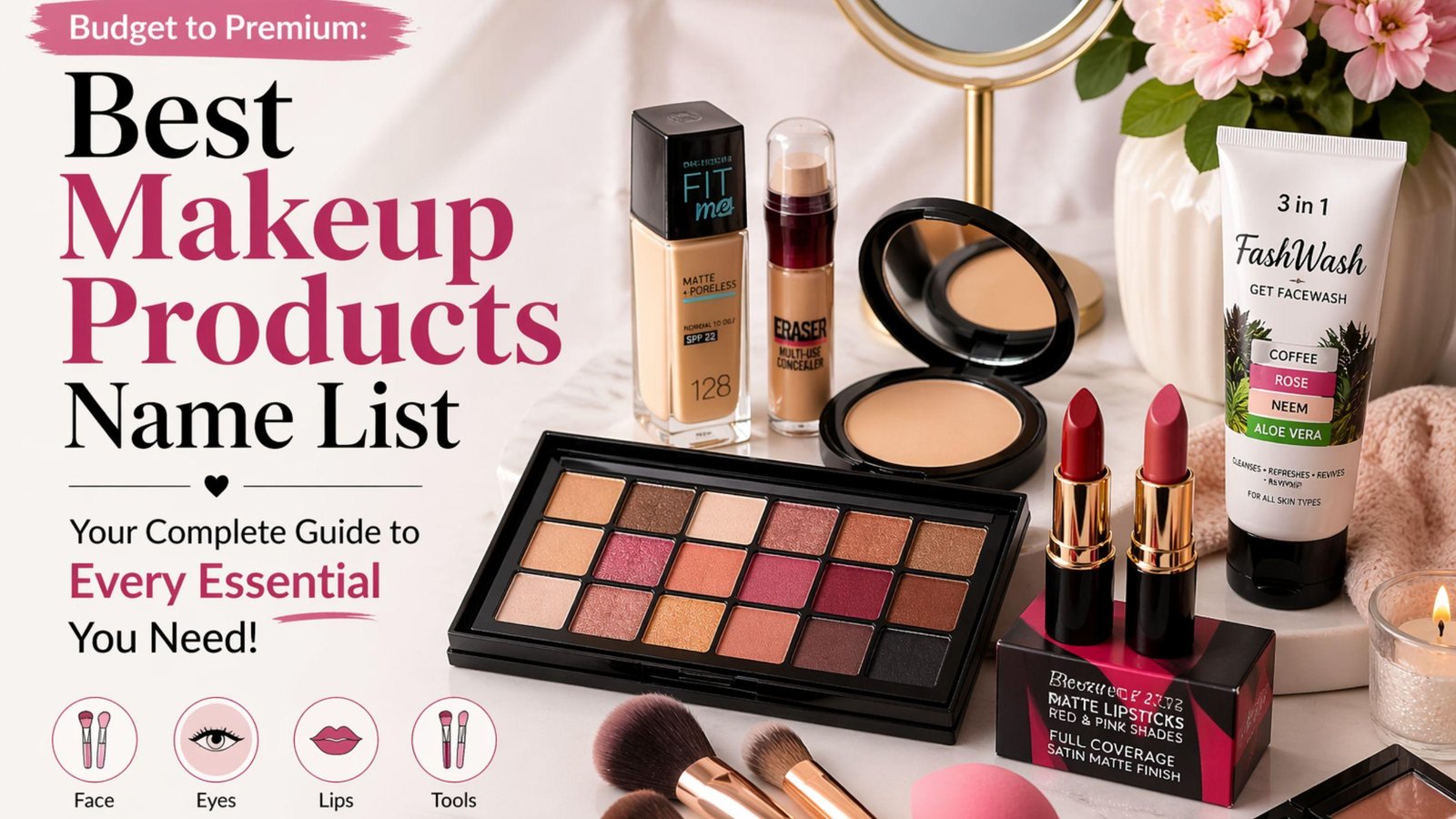
Discover the best makeup products name list from budget to premium. Simple, effective, and perfect for everyday use—find...